
Choosing the right support for a loved one living with dementia or Alzheimer’s disease is one of the most important decisions a family can make. Understanding what memory care includes can help you compare options with more confidence and ask better questions during tours.
Memory care provides specialized support for people experiencing cognitive change. It offers a structured setting, trained team members, daily assistance, familiar routines, secure spaces, and meaningful programs that help residents feel seen, valued, and understood.
At HeartFields Assisted Living at Easton in Easton, MD, families can explore Assisted Living and GLOW℠ Memory Care in a welcoming Eastern Shore setting near historic downtown Easton. The community is known for personalized support, Eastern Shore-inspired dining, in-house FOX Rehabilitation therapy, and a warm, open-concept environment.
What Is Included in Memory Care for Daily Support?
Memory care includes help with daily routines that may become harder as dementia progresses. These routines can include bathing, dressing, grooming, meals, medication support, and mobility. The goal is to provide assistance with patience and respect while encouraging residents to participate in ways that still feel comfortable.
Team members in memory care use dementia-informed communication, familiar cues, and consistent routines. This matters because a resident may understand a task one day but feel confused by it the next. A calm, flexible approach can help reduce stress and protect dignity.
Daily support may include:
Bathing, dressing, grooming, and personal hygiene assistance
Medication reminders or management, depending on the resident’s needs
Meal support, hydration reminders, and gentle dining cues
Mobility support and help moving safely through the day
Regular wellness check-ins and communication with families
At HeartFields Assisted Living at Easton, GLOW℠ Memory Care focuses on personal history, choice, and connection. That means team members look at the person behind the diagnosis and adapt support around familiar routines, preferences, and life story.
Secure Spaces and Safety Support
Memory Care communities include safety features that support residents who may wander, become disoriented, or need help finding their way. These features should feel reassuring rather than clinical.
A safety-enhanced memory care setting may include monitored entries and exits, easy-to-follow layouts, calming common areas, and outdoor spaces where residents can enjoy fresh air with added peace of mind. The goal is to allow movement and connection while reducing avoidable risk.
Safety support also comes from people, not just the physical environment. Regular check-ins, consistent routines, and trained team members can help families feel more confident that their loved one is supported throughout the day and night.
When touring HeartFields Assisted Living at Easton, families can ask how the GLOW℠ Memory Care neighborhood supports safe movement, wayfinding, quiet moments, and daily engagement for residents living with dementia.
Memory Care Services Explained Through Daily Programs
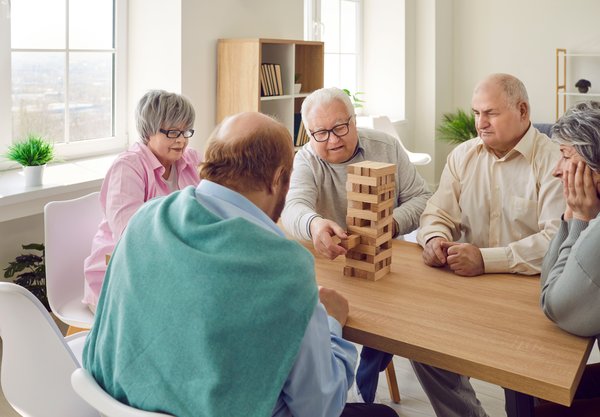
Memory care services explained simply: support should meet the resident where they are. General Memory Care programs often include music, art, sensory experiences, reminiscence, movement, gardening, spiritual connection, and small-group engagement. The best programs are adapted to each resident’s abilities and interests.
For someone who once loved cooking, folding towels or helping set a table may feel familiar and purposeful. For someone who enjoyed music, a favorite song may spark comfort or connection. For another resident, quiet one-on-one time may be more meaningful than a group setting.
Supportive programs may include:
Music, art, and reminiscence experiences
Gentle movement, stretching, or wellness programs
Sensory engagement using familiar textures, scents, sounds, or visuals
Small-group programs that encourage connection without overwhelm
Quiet reflection or one-on-one engagement when that feels more comfortable
GLOW℠ Memory Care emphasizes flexibility, choice, and individualized routines. This approach helps residents participate in ways that feel natural, whether that means joining a group, enjoying a quieter moment, or engaging through familiar daily rhythms.
Dining and Nutrition Support
Dining in memory care is about more than nutrition. Residents living with dementia may forget to eat, become distracted during meals, struggle with utensils, or need modified textures. A supportive dining experience can help make mealtimes calmer and more successful.
Memory care dining may include consistent mealtimes, familiar seating, visual cues, hydration reminders, and team member support. Menus should account for preferences, dietary needs, and changes in ability over time.
At HeartFields Assisted Living at Easton, Eastern Shore-inspired dining can help meals feel familiar and inviting. Families can ask how the community supports residents who need prompting, adaptive dining tools, modified diets, or a quieter dining setting.
Dining also creates connection. Sitting with familiar faces, hearing gentle conversation, and enjoying well-prepared meals can support comfort and routine throughout the day.
Memory Care vs. Assisted Living Services
Memory care vs. assisted living services is an important comparison for families. Both options can include help with personal routines, meals, medication support, and daily living needs. The difference is the level of specialization for cognitive change.
Assisted living is often a good fit for older adults who need support with daily tasks but can generally navigate routines, spaces, and social settings with less specialized supervision. Memory care is for residents living with Alzheimer’s disease or related dementias who need a more structured setting, dementia-trained team members, and added support for communication, safety, and engagement.
Key differences may include:
A secured neighborhood to support residents who may wander
Team members trained in dementia-informed communication
Programs centered on cognitive abilities, personal history, and comfort
A more structured daily rhythm with familiar cues and routines
Additional family communication and support around dementia progression
Families can learn more by comparing Assisted Living at HeartFields Assisted Living at Easton with GLOW℠ Memory Care.
Family Involvement and Ongoing Support
Memory care should support the whole family, not just the resident. Families often need guidance as dementia changes communication, routines, and expectations. Regular updates can help families understand what their loved one is experiencing and how to make visits more meaningful.
At HeartFields Assisted Living at Easton, GLOW℠ Memory Care centers on preserving each resident’s legacy and supporting daily experiences rooted in dignity and choice. Family stories, preferences, traditions, and routines can all help shape more personalized support.
Families should ask how often care plans are reviewed, how changes are communicated, and how loved ones can stay involved. These conversations help build trust and make the transition feel less overwhelming.
Frequently Asked Questions About Memory Care
What Does Memory Care Include?
Memory care typically includes daily support, secure spaces, dementia-trained team members, structured programs, dining support, housekeeping, medication support, and regular communication with families.
What Is the Difference Between Memory Care and Assisted Living?
Assisted Living supports daily tasks. Memory care adds specialized dementia support, secure spaces, structured routines, and team members trained to support residents living with Alzheimer’s disease or related dementias.
What Are Common Memory Care Amenities and Programs?
Memory care amenities and programs may include secure outdoor spaces, dining support, music, art, sensory engagement, gentle movement, reminiscence, and family support.
Does HeartFields Assisted Living at Easton Offer Memory Care?
Yes. HeartFields Assisted Living at Easton offers GLOW℠ Memory Care for residents living with Alzheimer’s disease or related dementias.
Learn More About GLOW℠ Memory Care in Easton
Understanding what is included in memory care can help families choose support that feels thoughtful, safe, and personal. The right community should offer daily assistance, secure spaces, familiar routines, meaningful engagement, dining support, and communication that keeps families involved.
Schedule a tour of HeartFields Assisted Living at Easton to learn more about GLOW℠ Memory Care in Easton, MD.